
11 Reasons People Are Quitting Probiotics And Switching To This Expensive Red Powder
A single strain in a capsule can't feed itself or survive the trip — here's what a four-part gut system with live cultures, the fiber they eat, and digestive enzymes does differently.

A single probiotic capsule promises to fix your gut, but it's usually just one or two bacteria strains and nothing to feed them. The bacteria show up hungry, find no fuel, and most don't survive the trip to where they're needed.
Real digestion isn't a one-part problem. Your gut needs the good bacteria, the fiber that feeds them (prebiotics), the calming compounds they produce (postbiotics), and the enzymes that break your food down in the first place. A standalone probiotic covers a quarter of that, then leaves the bloating, the sluggishness, and the 3pm crash right where they were.
So the people walking away from their probiotic bottle aren't giving up on gut health. They're done paying for one piece of a four-piece puzzle — and the reasons below explain exactly what they found instead.

The Probiotic That Dies Before It Reaches Your Gut
Most probiotics are dead on arrival. Stomach acid kills live bacteria before they make it to your intestines — where they're supposed to work. The strains that survive are often shelf-stable marketing picks, not the research-backed ones your gut actually needs. Real digestive support requires live CFUs in forms proven to survive transit, plus the prebiotics that feed them and the postbiotics they produce. Skip any tier and the bloating you're trying to fix stays exactly where it is.
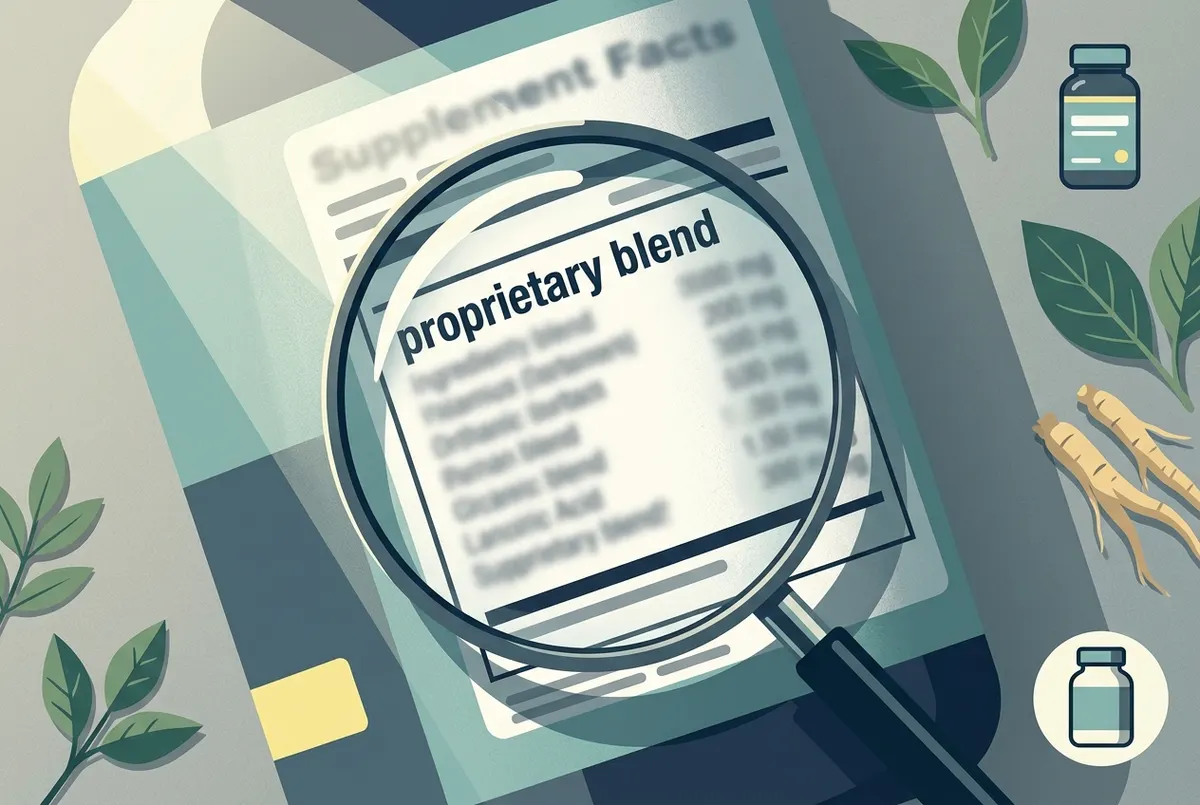
One Strain When Your Gut Needs Ten
Your microbiome isn't a monoculture. It's an ecosystem of hundreds of bacterial strains working together — Lactobacillus for the small intestine, Bifidobacterium for the colon, soil-based organisms for immune signaling. A single-strain probiotic is like planting one seed and expecting a forest. The formulas that move the needle deliver 10 billion CFU across multiple researched strains, not a token amount of one popular name.
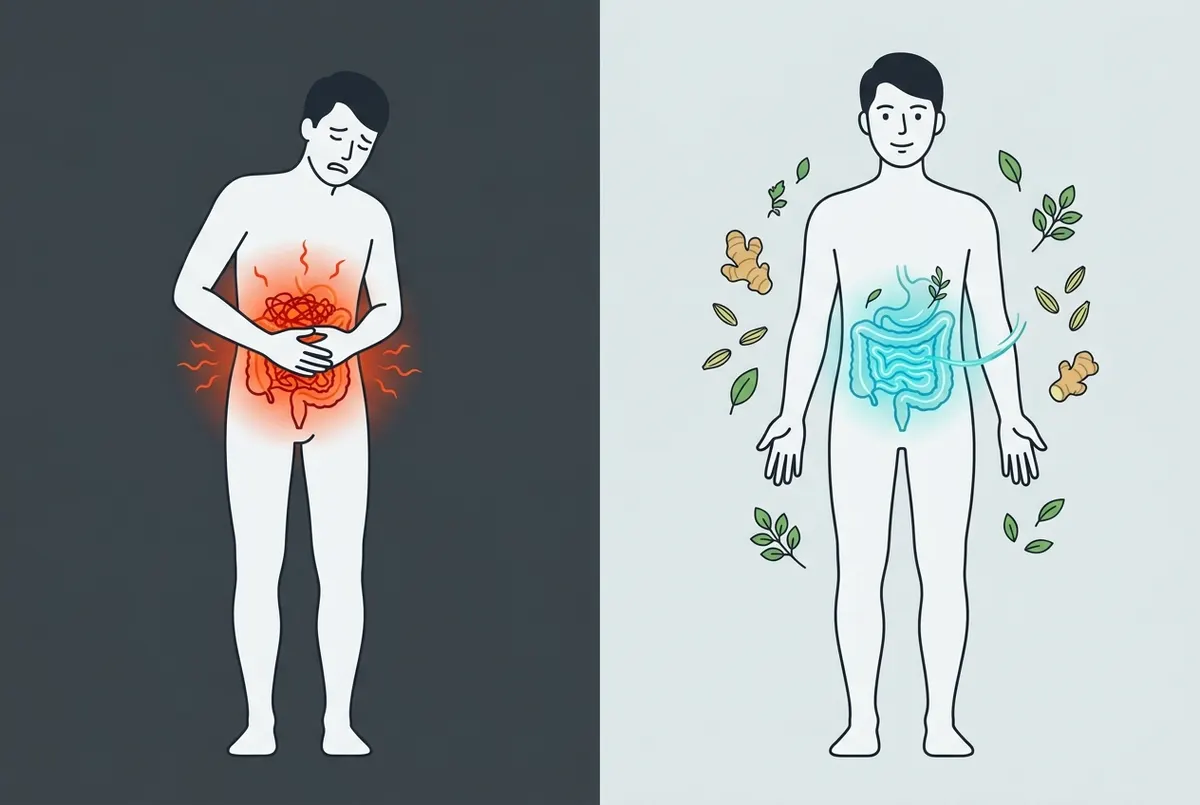
The Enzyme Gap Nobody's Talking About
Probiotics seed bacteria. They don't break your food down. That's the enzyme's job — protease for protein, lipase for fat, amylase for carbs — and after 35, your body makes fewer of them. You can flood your gut with probiotics, but if you're not digesting what you eat, the bloating and gas keep showing up. Real gut relief pairs live bacteria with the digestive enzymes that actually process your meals, so food stops sitting heavy hours later.
Fix the BloatingSupplements have been a part of my daily routine for years, but I've often felt overwhelmed by how many different products it takes to truly support your body. That's why IM8 is so different — it's simplified everything for me.
Prebiotics You're Probably Not Getting
Probiotics without prebiotics is like planting seeds without watering them. Prebiotics are the fiber strands good bacteria eat — inulin, FOS, resistant starch — and most probiotic supplements don't include them. The bacteria you swallow starve out within days. A complete gut formula delivers both: live CFUs plus the prebiotic fuel that keeps them alive and multiplying in your intestines, not dying off before they do anything.
Start Feeding Your Gut
Postbiotics: The Byproduct That Does the Work
Here's what most people miss: probiotics don't fix your gut directly. They produce compounds — short-chain fatty acids like butyrate — that calm inflammation, tighten your gut lining, and signal your immune system. Those compounds are postbiotics, and they're the actual mechanism behind "gut health." A four-tier system delivers probiotics that make postbiotics, prebiotics that feed the probiotics, and enzymes that handle digestion — the full loop, not just the bacteria.
Sleep Deeper Tonight
The B12 Probiotic Bottles Never Mention
Gut bacteria make some B12, but not nearly enough — and a damaged gut lining can't absorb it anyway. Methylated B12 at 200mcg is the bioactive form your cells use for energy and mental clarity without needing conversion. Most probiotic supplements stop at gut seeding and ignore the nutrient deficiencies that show up as brain fog, fatigue, and mood swings. Fix the gut and feed the brain, or the afternoon crash stays on your calendar.
Magnesium for the Gut-Sleep Loop
Your gut and your sleep talk to each other through the vagus nerve. A tense, inflamed gut sends stress signals that keep you waking at 3am. Magnesium bisglycinate — the form that actually absorbs — calms the gut lining and helps your nervous system wind down into deeper, unbroken sleep. Probiotic-only formulas miss this entirely, which is why you can fix your digestion and still lie awake staring at the ceiling.
Try It Risk-Free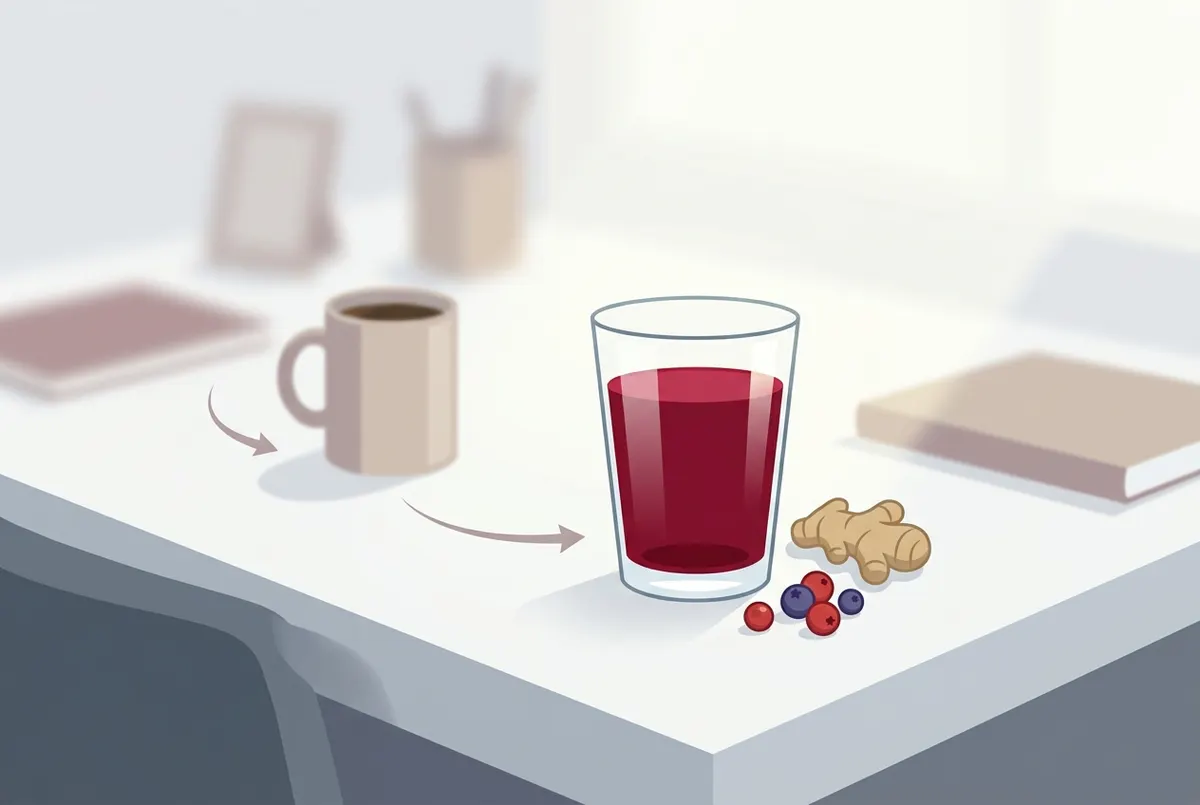
Heart Support Probiotic Labels Ignore
Gut inflammation doesn't stay local. It triggers systemic stress that affects your heart, your joints, your energy production at the cellular level. That's where CoQ10 comes in — 100mg of the nutrient your heart muscle uses to make ATP, the fuel every contraction runs on. After 40, your body makes less of it. Probiotics calm the gut; CoQ10 keeps your cardiovascular system running when everything else is finally working.
Sharpen Your Focus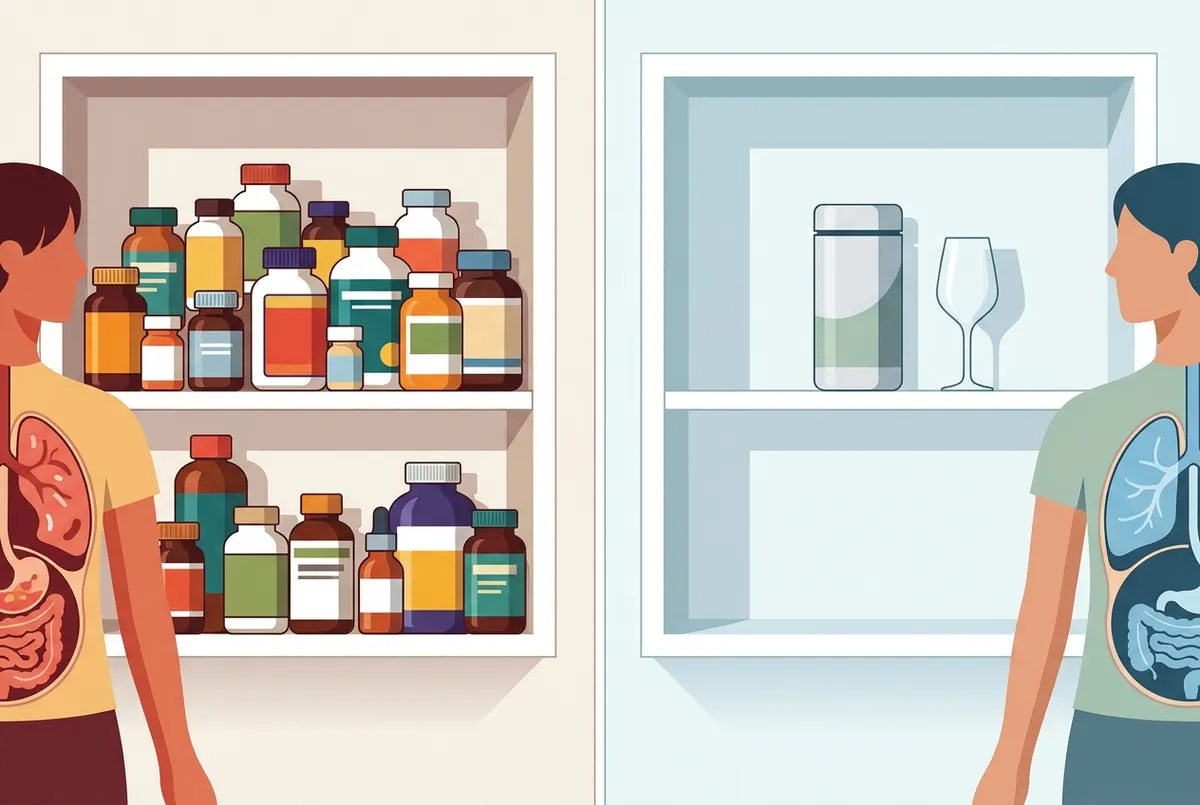
Joint Stiffness the Microbiome Can't Touch
Gut health affects inflammation everywhere, but it won't rebuild connective tissue. That takes MSM — 1,500mg, the clinical dose studied for joint comfort — the sulfur compound your body uses to keep cartilage supple and mornings less stiff. Probiotic-only thinking leaves your knees and knuckles exactly where they were. A complete formula pairs gut repair with the nutrients joints actually need, not one or the other.
Get Full-Body Support
Sixteen Bottles Replaced by One Drink
Count what's on your counter: a probiotic, a B-complex, magnesium for sleep, CoQ10 for your heart, MSM for joints, maybe a multivitamin to cover the gaps. It's expensive, easy to skip, and half of it is underdosed anyway. When one full-spectrum daily drink delivers 90 ingredients at clinical amounts — probiotics, prebiotics, postbiotics, enzymes, plus every vitamin and mineral your cells need — the entire overwhelming stack finally disappears.
Simplify Your Routine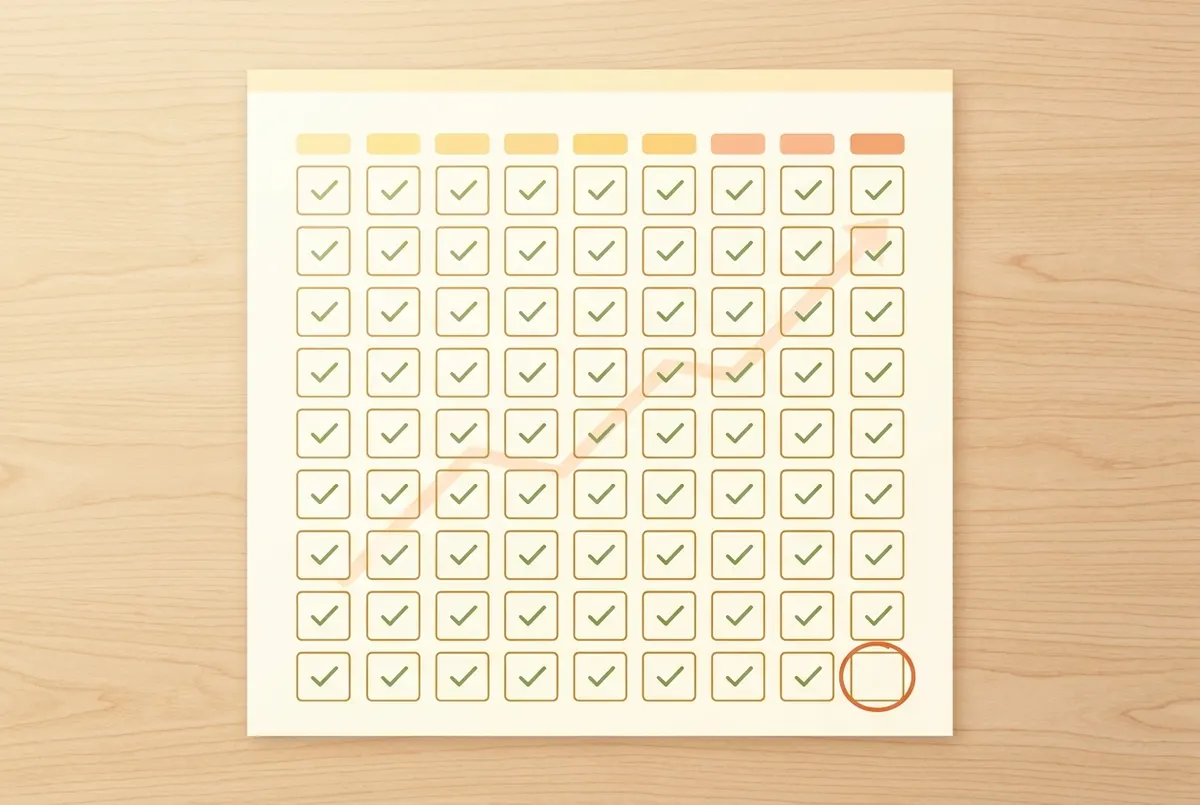
A 90-Day Guarantee Because Gut Repair Takes Time
Real microbiome shifts don't happen in a week. It takes 30 to 90 days for bacterial populations to stabilize, inflammation to calm, and nutrient absorption to improve. That's why the formulas that stand behind their results offer a full 90-day money-back guarantee — long enough to feel whether your energy climbs, your bloating fades, and your sleep holds through the night. If it doesn't work, you get your money back. The only risk is staying stuck where you are.
Start Your 90 DaysMeet Daily Ultimate Essentials Pro
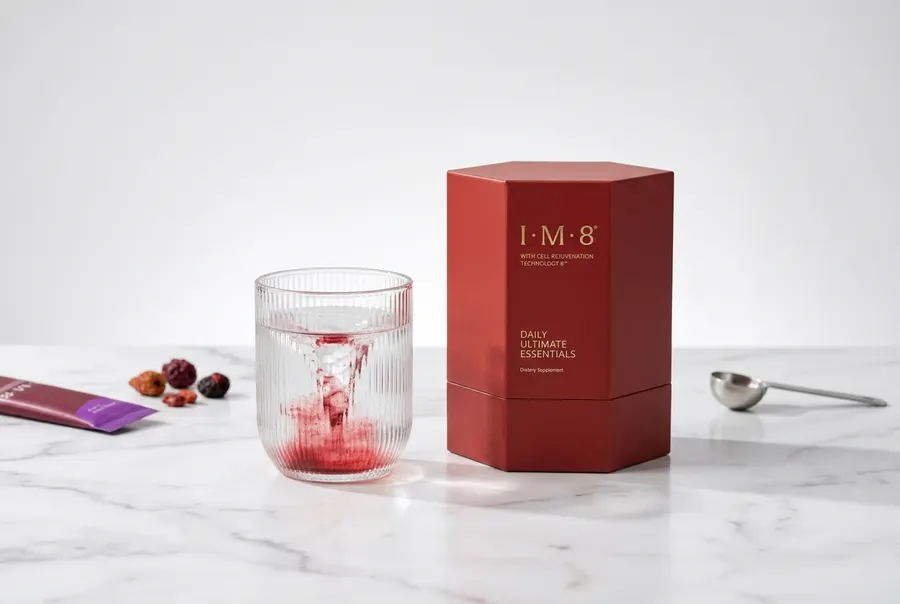
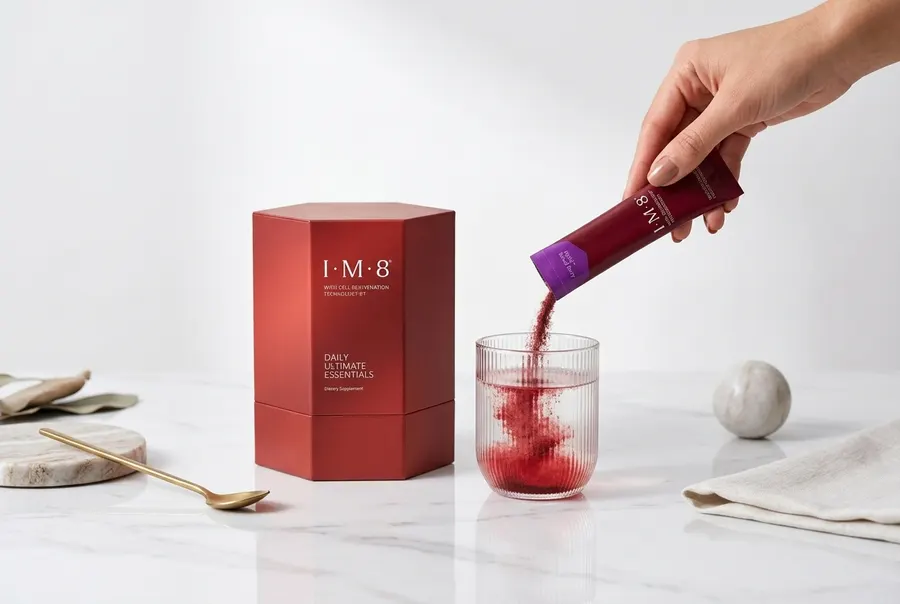
Everything the last eleven reasons pointed to — the gut needs more than one strain of bacteria — lives in one red daily drink. Not just 10 billion CFU of probiotics, but the prebiotics that feed them, the postbiotics they'd normally have to make, and digestive enzymes to break down your food. A four-tier gut system where a single probiotic pill only covers one.
And it doesn't stop at digestion. 90 ingredients replace 16-plus separate bottles — full clinical doses of CoQ10, magnesium, and methylated B12 your body can actually absorb. No caffeine, no added sugar.
It's built with a world-class scientific advisory board, co-founded by David Beckham, and third-party tested against 280-plus banned substances. In a 12-week trial, 85% of people felt less bloated and digested food more easily. This is the full-dose gut solution the whole list was describing.
How long until you notice a difference?
Full doses work on a real timeline, not an overnight one. Energy and digestion tend to shift first, with sleep and focus building over the weeks — here's roughly what the trial period looked like for most people.
How does it actually compare?
The gap between a greens scoop and a full-dose red drink isn't the ingredient list — it's the amounts and the forms. Laid side by side, the difference in what your body can actually use becomes hard to miss.
| Daily Ultimate Essentials Pro | Most Probiotic Supplements | |
|---|---|---|
| Probiotic CFU per serving | 10B CFU | 1-5B CFU |
| Digestive support layers | 4-tier system | Probiotics only |
| Prebiotic + postbiotic included | ✓ | rarely |
| Monthly cost | $78 | ~$35-55 |
| Published RCT data | ✓ 85% digestion | missing |
| NSF Certified for Sport | ✓ | rarely |
What are people saying about Daily Ultimate Essentials Pro?
The trial numbers hold up, but the everyday version of them is what people over 35 tend to mention first — steadier afternoons, calmer stomachs, and a shelf that finally cleared out.
Ready to Start?
Questions people ask before switching
The honest questions come up every time: does one powder really replace a whole stack, can I just build my own cheaper, and is this made for athletes or for someone like me? Here are the straight answers.